Creating a Winning SEO Strategy for Beginners: A Step-by-Step Guide
Welcome to the world of Search Engine Optimization (SEO)! As a beginner, creating an effective SEO strategy can seem daunting, but fear not, this guide is here to walk you through the process. By the end of this tutorial, you'll have a clear understanding of how to develop a solid SEO strategy that drives traffic, boosts rankings, and increases conversions. Whether you're a small business owner, blogger, or marketer, this step-by-step guide will provide you with the tools and knowledge to succeed in the ever-evolving landscape of search engine optimization.
Step 1: Conducting Keyword Research for SEO Success
Keyword research is the foundation of any successful SEO strategy. It's essential to identify the words and phrases your target audience uses to search for your content, products, or services. Start by brainstorming a list of relevant keywords and phrases, and then use tools like Google Keyword Planner, Ahrefs, or SEMrush to analyze their search volume, competition, and cost-per-click. For example, if you're a fitness coach, your keywords might include "workout routines," "weight loss tips," or "nutrition advice." Remember to focus on long-tail keywords, which are more specific phrases with lower competition and higher conversion rates. 
Step 2: Optimizing On-Page Elements for Better Search Engine Rankings
On-page optimization refers to the process of optimizing individual web pages to rank higher in search engines. This includes optimizing title tags, meta descriptions, headings, and content. Ensure your title tags accurately describe the content of each page and include your target keywords. Meta descriptions should be compelling and informative, encouraging users to click through to your site. Headings should be used to structure your content, with H1 tags used for the main title, and H2-H6 tags for subheadings. Use header tags to break up content and highlight important keywords. For instance, if you're writing a blog post about "SEO tips for beginners," your headings might include "What is SEO?", "Why is SEO important?", and "How to get started with SEO." 
Step 3: Creating High-Quality, Engaging Content for SEO
High-quality, engaging content is the backbone of any successful SEO strategy. Your content should be informative, entertaining, and optimized for your target keywords. Focus on creating content that provides value to your audience, whether it's a blog post, video, or infographic. Use variations of your target keywords throughout your content, but avoid keyword stuffing, which can lead to penalties from search engines. Aim for a keyword density of 1-2% and use Latent Semantic Indexing (LSI) keywords to add context and depth to your content. For example, if you're writing about "content marketing," your LSI keywords might include "digital marketing," "brand awareness," and "lead generation."
Step 4: Building High-Quality Backlinks for Improved Search Engine Rankings
Backlinks are links from other websites to your site, and they play a crucial role in determining your search engine rankings. High-quality backlinks from authoritative sources can significantly boost your site's credibility and visibility. Focus on building relationships with other websites and content creators in your niche, and use techniques like guest blogging, broken link building, and resource pages to acquire high-quality backlinks. Avoid spammy link schemes, which can lead to penalties from search engines. For instance, if you're a fashion blogger, you might guest post on other fashion blogs or participate in link roundups to build backlinks to your site.
Step 5: Optimizing Technical SEO for Faster Page Speed and Better User Experience
Technical SEO refers to the process of optimizing your website's technical aspects to improve page speed, user experience, and search engine rankings. Ensure your site is mobile-friendly, as this is now a key ranking factor. Optimize your images, videos, and other media to reduce file size and improve page load times. Use a content delivery network (CDN) to distribute your content across different servers, reducing the distance between your site and your users. Focus on improving your site's crawlability, by using schema markup, XML sitemaps, and robots.txt files to help search engines understand your site's structure and content. For example, if you're an e-commerce site, you might use schema markup to highlight your products' prices, reviews, and availability.
Step 6: Tracking and Analyzing SEO Performance with Tools and Metrics
Tracking and analyzing your SEO performance is crucial to understanding what's working and what's not. Use tools like Google Analytics, Google Search Console, and SEMrush to monitor your site's traffic, rankings, and backlinks. Track your keyword rankings, and adjust your strategy accordingly. Analyze your site's technical performance, and identify areas for improvement. Use metrics like bounce rate, time on site, and conversion rate to evaluate your site's user experience and engagement. For instance, if you notice a high bounce rate on a particular page, you might need to improve the content, layout, or calls-to-action to keep users engaged.
Frequently Asked Questions (FAQs)
Q: What is the most important factor in SEO? A: The most important factor in SEO is creating high-quality, engaging content that provides value to your audience.
Q: How long does it take to see results from SEO? A: The time it takes to see results from SEO varies depending on your niche, competition, and strategy, but typically takes 3-6 months to see noticeable improvements.
Q: What is the difference between SEO and SEM? A: SEO (Search Engine Optimization) focuses on optimizing your site for organic search engine rankings, while SEM (Search Engine Marketing) involves paid advertising on search engines.
Free Online SEO Tutorial For Beginners -5 Key SEO Concepts -DG
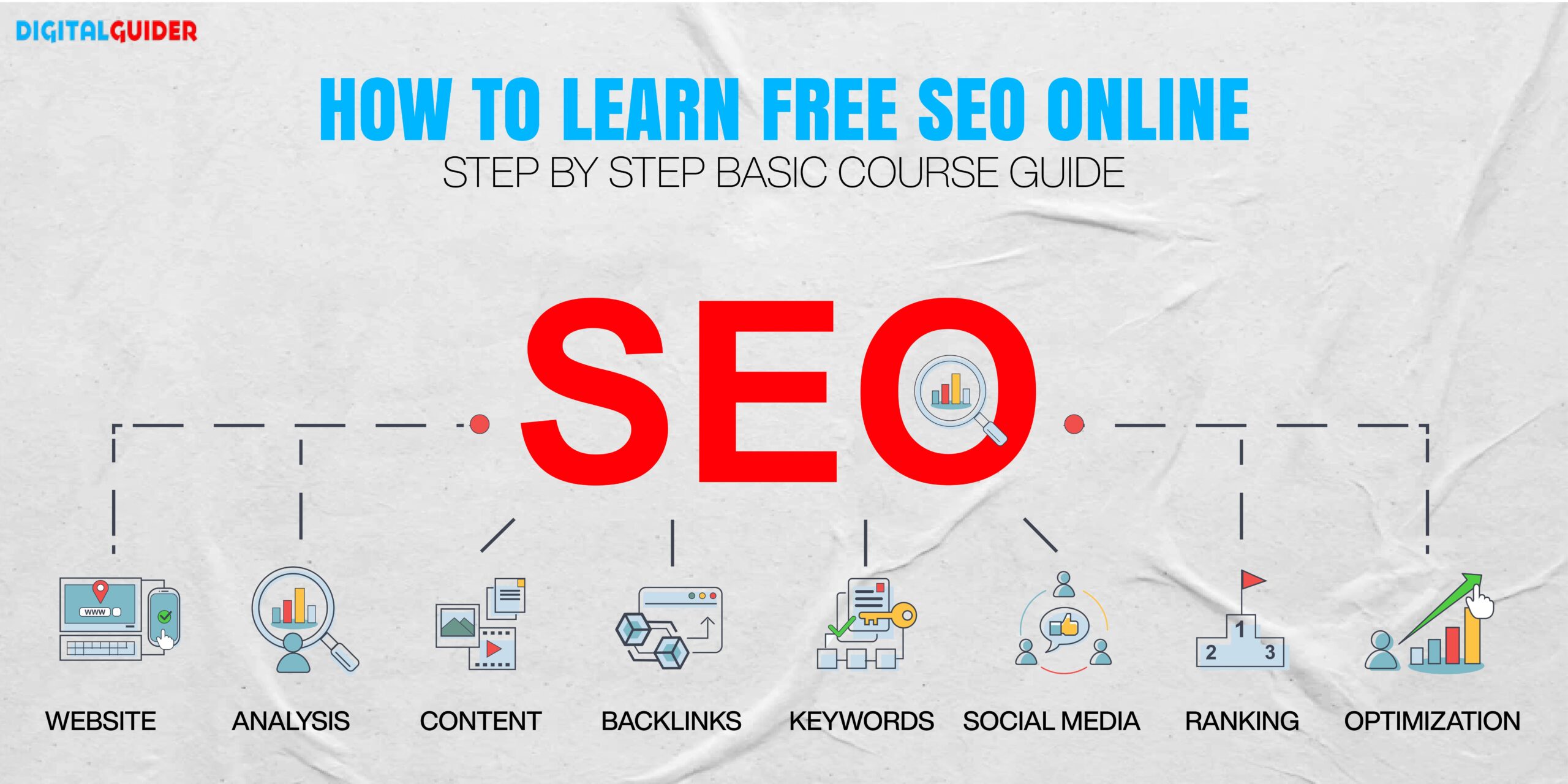
Free Online SEO Tutorial For Beginners -5 Key SEO Concepts -DG
A Beginner's Guide To SEO Strategy
A Beginner's Guide To SEO Strategy
How To Create An SEO Strategy: The Complete Guide For Businesses
How to Create an SEO Strategy: The Complete Guide for Businesses ...