Mastering the Art of Writing Short Articles: A Step-by-Step Guide to Crafting Compelling Content
Writing short articles is an essential skill for anyone looking to convey their thoughts, ideas, and expertise in a concise and engaging manner. In this tutorial, you will learn how to write short articles that capture the attention of your readers, convey your message effectively, and leave a lasting impression. Whether you're a student, a blogger, or a professional, mastering the art of writing short articles will help you communicate your ideas with clarity and precision. In this guide, we will walk you through the steps of writing a short article, from brainstorming ideas to editing and publishing your work.
Step 1: Brainstorming Ideas for Your Short Article Writing
Before you start writing, you need to come up with a topic or idea that resonates with your audience. Take some time to brainstorm and research potential topics, considering what's trending, what's relevant, and what's interesting to your readers. Make a list of potential topics and narrow it down to the one that excites you the most. For example, if you're writing about technology, you could explore topics like "The Impact of Artificial Intelligence on Modern Society" or "The Benefits of Using Renewable Energy Sources." 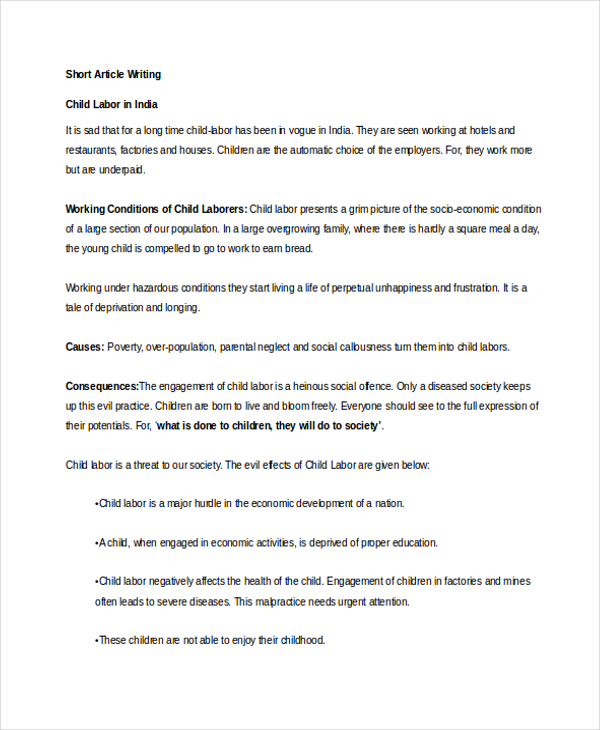
Step 2: Defining Your Target Audience for Effective Article Writing
Understanding your target audience is crucial to writing a short article that resonates with them. Consider their interests, needs, and level of knowledge on the topic. Ask yourself questions like "Who are my readers?" "What are their pain points?" and "What do they want to learn from my article?" For instance, if you're writing about health and wellness, your target audience may be individuals looking for tips on healthy eating or exercise routines. 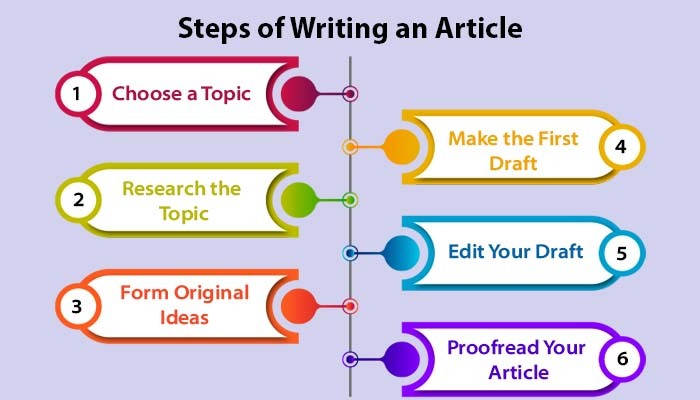
Step 3: Creating an Outline for Your Short Article Writing
Once you have your topic and target audience, create an outline to organize your thoughts and ideas. An outline will help you structure your article, ensure a logical flow of ideas, and stay focused on your message. Typically, a short article outline includes an introduction, body paragraphs, and a conclusion. For example, if you're writing about travel, your outline might look like this: Introduction to the destination, body paragraphs describing the culture, food, and attractions, and a conclusion summarizing the experience. 
Step 4: Writing Your First Draft of the Short Article
With your outline in place, start writing your first draft. Don't worry too much about grammar, spelling, or sentence structure at this stage. Focus on getting your ideas down on paper, and use clear and concise language to convey your message. Use active voice, vary your sentence structure, and incorporate transition words to make your article flow smoothly. For example, if you're writing about education, you could start with a hook like "Did you know that..." or "According to recent studies...".
Step 5: Editing and Revising Your Short Article Writing
Editing and revising are crucial steps in the writing process. Review your first draft, make revisions, and edit for clarity, coherence, and grammar. Check for consistency in tone, style, and formatting, and ensure that your article is free of errors and flows smoothly. Ask yourself questions like "Is my article clear and concise?" "Is my message well-supported by evidence?" and "Is my tone engaging and persuasive?"
Step 6: Adding Visuals to Enhance Your Short Article Writing
Visuals like images, infographics, and videos can enhance your article, break up the text, and illustrate complex concepts. Choose visuals that are relevant to your topic, high-quality, and properly sourced. Consider using images with captions, creating infographics to summarize data, or embedding videos to provide additional context. For example, if you're writing about environmental issues, you could use images of pollution, deforestation, or climate change to illustrate the impact of human activities.
Step 7: Publishing and Promoting Your Short Article Writing
Finally, once you've completed your article, it's time to publish and promote it. Choose a platform that suits your audience, such as a blog, social media, or online magazine. Optimize your article with keywords, meta descriptions, and tags to improve its visibility in search engines. Share your article on social media, engage with your readers, and encourage feedback and comments. For example, if you're writing about food, you could share your article on Instagram, Twitter, or Facebook, and use hashtags like #foodie or #cookingtips to reach a wider audience.
Frequently Asked Questions (FAQs)
Here are some common questions about writing short articles:
Q: What is the ideal length of a short article?
A: The ideal length of a short article varies depending on the platform and audience, but typically ranges from 500 to 1000 words.
Q: How can I make my article more engaging?
A: Use a hook to grab the reader's attention, vary your sentence structure, and incorporate visuals to break up the text and illustrate complex concepts.
Q: What are the most important elements of a short article?
A: The most important elements of a short article are a clear and concise message, a well-structured outline, and proper editing and revising to ensure clarity, coherence, and grammar.
How To Write An Article Step By Step Guide – Artofit

How to write an article step by step guide – Artofit
How To Write An Article: Step-by-Step Guide & Format
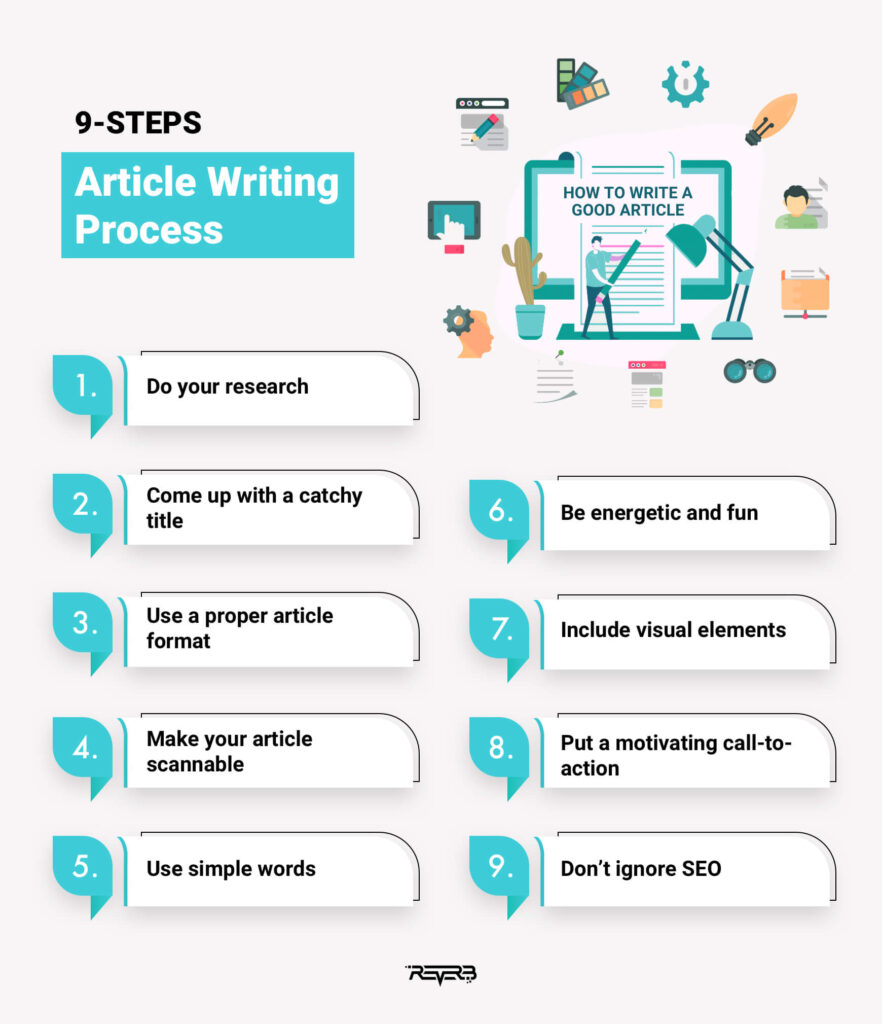
How to Write an Article: Step-by-Step Guide & Format
How To Write Articles: Step-by-Step Guide (with Examples)

How to Write Articles: Step-by-Step Guide (with Examples)